Every space has its own priorities
A clearer plan for
home & office.
Think room by room. Explore cleaning information from Chores-B-Gone and put the needs of your home or workplace into focus before your next conversation.
Explore cleaning topicsHome
01 / Living spacesWhere does the day begin?
Entrances and living areas: consider foot traffic, the surfaces you use most and the belongings that need to stay in place.
What needs a closer look?
Kitchens and bathrooms: identify materials, particular concerns and any care instructions before agreeing on an approach.
Which rooms need quiet?
Bedrooms and personal spaces: note privacy, access and times when a room is in use.
Office
02 / Shared spacesWho uses this space?
Workstations, meeting rooms and reception areas each have their own pattern of use. Start with how people move through them.
What must stay undisturbed?
Discuss papers, equipment and restricted areas. Decide who can clarify boundaries and how access should be coordinated.
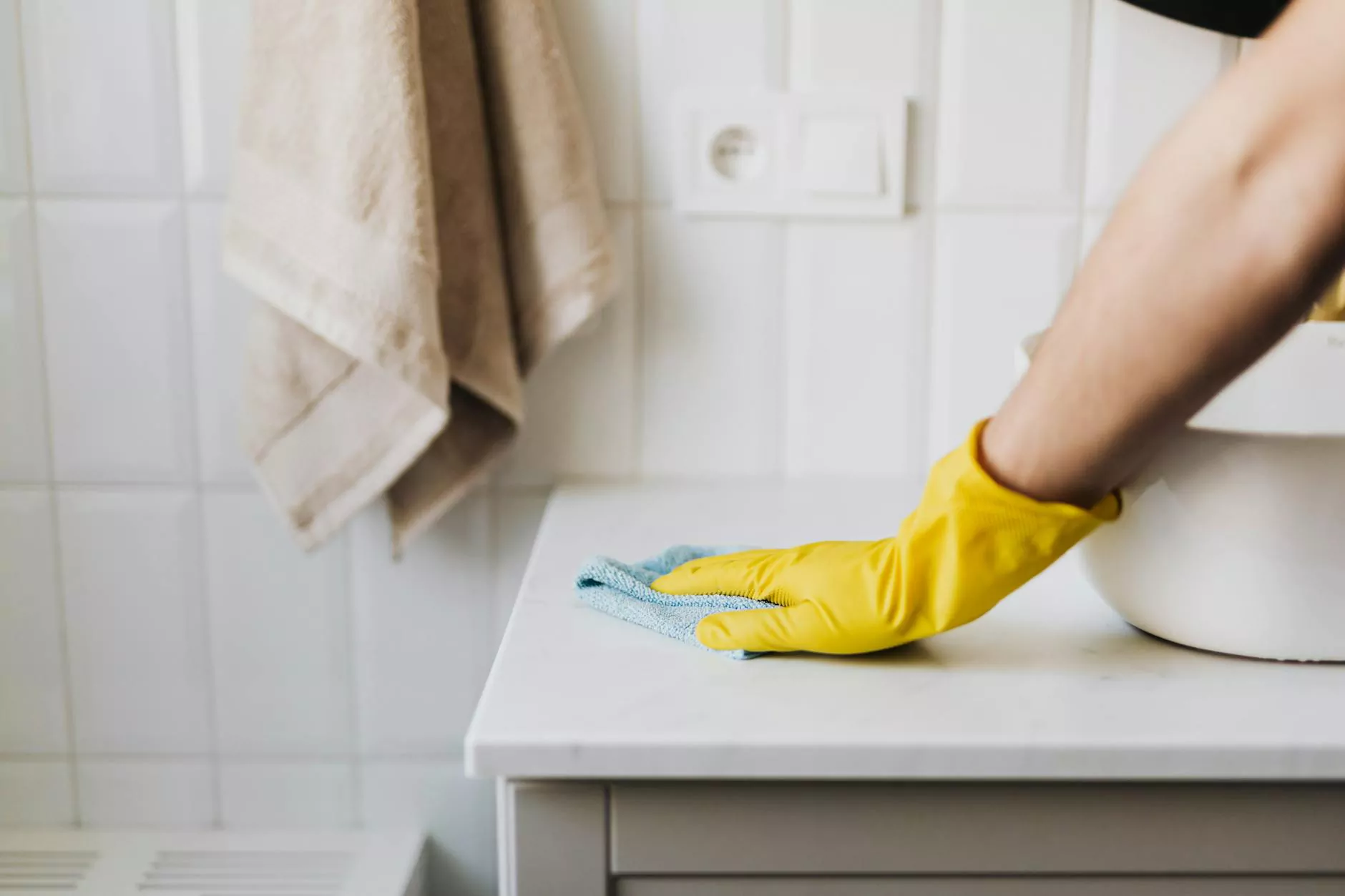
Two settings, one starting point
Describe the space.
Then define the scope.
A home is shaped by personal routines. An office is shaped by shared routines. Both benefit from a clear description of the rooms involved, the surfaces within them and the people who use them. The useful question is not simply how large the space is, but what needs attention and why.
Separate the essential from the optional. A list of priorities can distinguish regular upkeep from an occasional task without assuming that every request is included. Visit About Chores-B-Gone for the site introduction or read the Services article as you gather your questions.
Access & priorities
Make the important details visible.
People & timing Note occupied rooms, working hours and household routines that affect access.
Materials & belongings Identify delicate finishes, personal objects and items that should stay where they are.
Boundaries & questions Keep exclusions clear. Confirm uncertain details instead of leaving them open to interpretation.
A useful conversation
Before. During. After.
01 Before
Write down the rooms involved and choose the priorities you want to discuss first. Gather any relevant care instructions. Read the Services section with your own space in mind.
02 During
Use specific descriptions and ask about anything unclear. Record the scope, access arrangements and boundaries in plain language so that everyone can refer to the same understanding.
03 After
Review the notes and keep outstanding questions together. If your space or routine changes, update that context before the next discussion. The Contact section is available from the site menu.
Continue exploring
A place for your next question.
Browse the site by topic, then return to the details that matter for your space.
Common questions
A little clarity goes a long way.
What is Chores-B-Gone about?
Chores-B-Gone brings together information about cleaning for homes and offices. Use the site to explore these settings, read its articles and find the relevant section for your questions. Start with a clear description of your space rather than assuming that every task belongs to the same type of clean.
How should I describe a home cleaning priority?
Name the room, the surface and the concern you want to discuss. An entryway with tracked-in dirt presents a different question from a crowded kitchen counter. Explain which areas matter most to you and distinguish everyday upkeep from occasional tasks so your priorities are easy to understand.
What makes an office cleaning discussion different?
Shared use and access deserve particular attention in an office. Describe when rooms are occupied, which desks or meeting areas are shared, and who can answer questions about the space. Keep confidential papers and personal equipment in mind when discussing what may be moved or left untouched.
Should every surface be treated in the same way?
No. Materials, finishes and manufacturer guidance can differ, even within one room. Identify delicate or unfamiliar surfaces before discussing a task, and retain any care instructions you already have. A useful conversation starts with those differences rather than treating appearance alone as a reliable guide to suitable care.
What information is useful before discussing access?
Note entry arrangements, occupied rooms, pets and any areas that should remain undisturbed. Share sensitive access details only through an appropriate private channel with the relevant person. A general list of constraints is useful for planning without putting keys, codes or personal information into a public message.
How can I distinguish regular upkeep from a one-off task?
Describe how often the issue returns and what has changed. Daily foot traffic, a room used only occasionally and a space being prepared for a change of occupants create different priorities. This context helps frame the discussion; the actual scope and frequency still need to be established separately.
What should I do after reviewing a cleaning plan?
Check that the written scope matches the rooms, priorities and boundaries discussed. Note any unclear wording while the details are fresh, especially around surfaces or areas excluded from the work. Keep that record available for later conversations instead of relying on everyone to remember the same assumptions.
Where can I explore the site next?
The Services section is a starting point for cleaning topics, while Blog and Other provide additional reading. About, Our Team, Contact and Specials are also available from the menu. Read the relevant page for its own details, and confirm any practical arrangements directly before making a commitment.